Foamflower
Tiarella cordifolia L.
Also called foamflower.
Woodland native with maple-shaped leaves and frothy white flower spikes in spring. Running forms knit into a groundcover.

Size over time
Typical landscape size 0.2–0.3 m (6–12 in) tall and 0.3–0.6 m (12–24 in) wide; medium growth, about 3 years to maturity. Intermediate sizes use the planner’s growth curve (k = 0.25) from the plug install size.
Bloom
White flowers, Apr–May (northern-hemisphere months; timing shifts with region and season).
| Plant | J | F | M | A | M | J | J | A | S | O | N | D |
|---|---|---|---|---|---|---|---|---|---|---|---|---|
| Foamflower : Apr–May |
Design notes
- Needs organic, moist but well-drained soil.
- Clumping cultivars stay put; the species spreads by stolons.
Regions
Native range: Eastern North America.
Native to these OpenLandscape3D pilot regions:
Native status describes where the species occurs naturally. It is not a promise that it suits a particular garden; site conditions decide that.
In the guides
Foamflower comes up in this guide:
Related plants
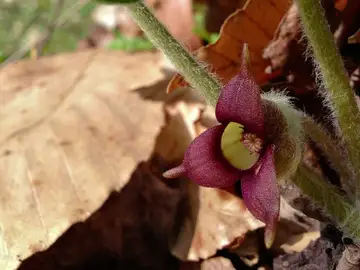 Canadian wild ginger Asarum canadense · Groundcover · 0.1–0.2 m (4–8 in)
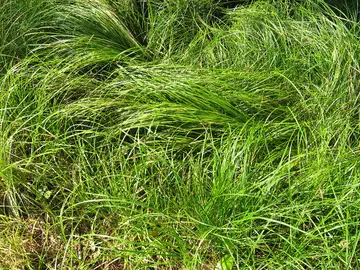 Pennsylvania sedge Carex pensylvanica · Groundcover · 0.2–0.3 m (6–10 in)
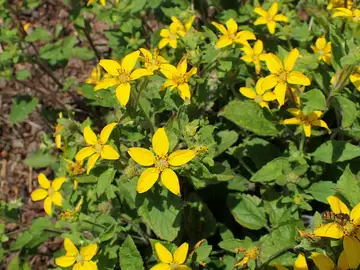 Green-and-gold Chrysogonum virginianum · Groundcover · 0.1–0.3 m (4–10 in)
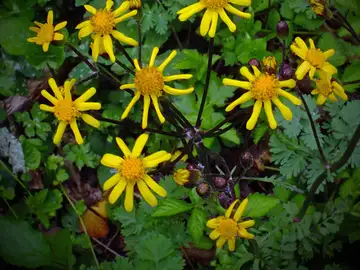 Golden ragwort Packera aurea · Groundcover · 0.1–0.3 m (4–12 in)
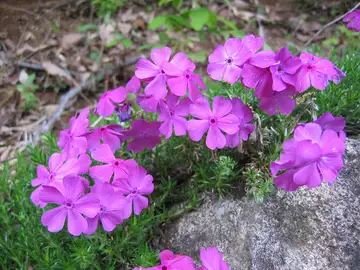 Moss phlox Phlox subulata · Groundcover · 0.1–0.2 m (4–6 in)
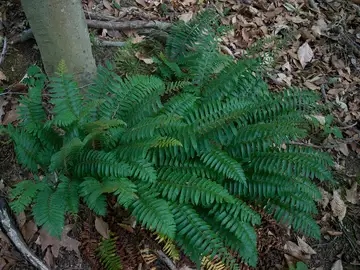 Christmas fern Polystichum acrostichoides · Groundcover · 0.3–0.6 m (12–24 in)
Try Foamflower in a plan
Opens your own copy of a finished sample garden in the planner with Foamflower ready to place; the planner checks it against that garden’s zone, light and moisture.
Plan with Foamflower
Place it in a design, check it against your zone, light and moisture, and see it at year three and year ten.