Common boxwood
Buxus sempervirens L.
Also called common boxwood, American boxwood.
Traditional fine-textured evergreen for formal hedges and parterres. Tolerates shearing and shade.

Size over time
Typical landscape size 1–3 m (3–10 ft) tall and 1–3 m (3–10 ft) wide; slow growth, about 10 years to maturity. Intermediate sizes use the planner’s growth curve (k = 0.12) from the #3 install size.
Design notes
- Boxwood blight and box tree moth are spreading; scout regularly and avoid overhead irrigation.
- Consider inkberry or Japanese holly where blight is established.
- Leaves bronze in exposed winter sun and wind.
Regions
Native range: Europe, North Africa and western Asia.
Not recorded as native to any of the three pilot regions.
Native status describes where the species occurs naturally. It is not a promise that it suits a particular garden; site conditions decide that.
Related plants
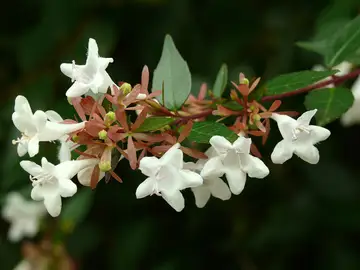 Glossy abelia Abelia × grandiflora · Shrub · 1.2–1.8 m (4–6 ft)
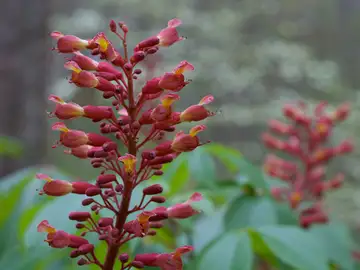 Red buckeye Aesculus pavia · Shrub · 3–6 m (10–20 ft)
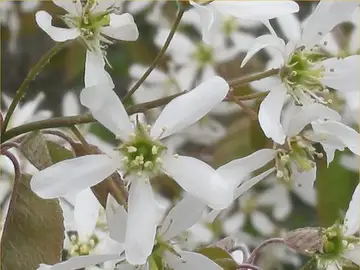 Canadian serviceberry Amelanchier canadensis · Shrub · 3–6 m (10–20 ft)
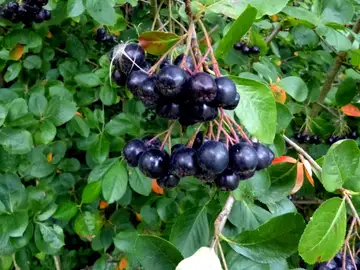 Black chokeberry Aronia melanocarpa · Shrub · 0.9–1.8 m (3–6 ft)
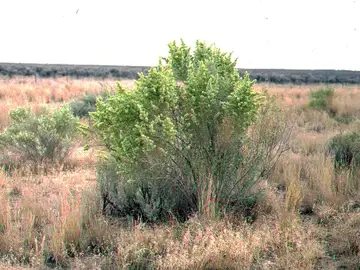 Four-wing saltbush Atriplex canescens · Shrub · 1.2–1.8 m (4–6 ft)
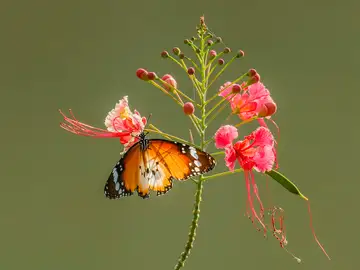 Red bird of paradise Caesalpinia pulcherrima · Shrub · 1.8–3 m (6–10 ft)
Try Common boxwood in a plan
Opens your own copy of a finished sample garden in the planner with Common boxwood ready to place; the planner checks it against that garden’s zone, light and moisture.
Plan with Common boxwood
Place it in a design, check it against your zone, light and moisture, and see it at year three and year ten.